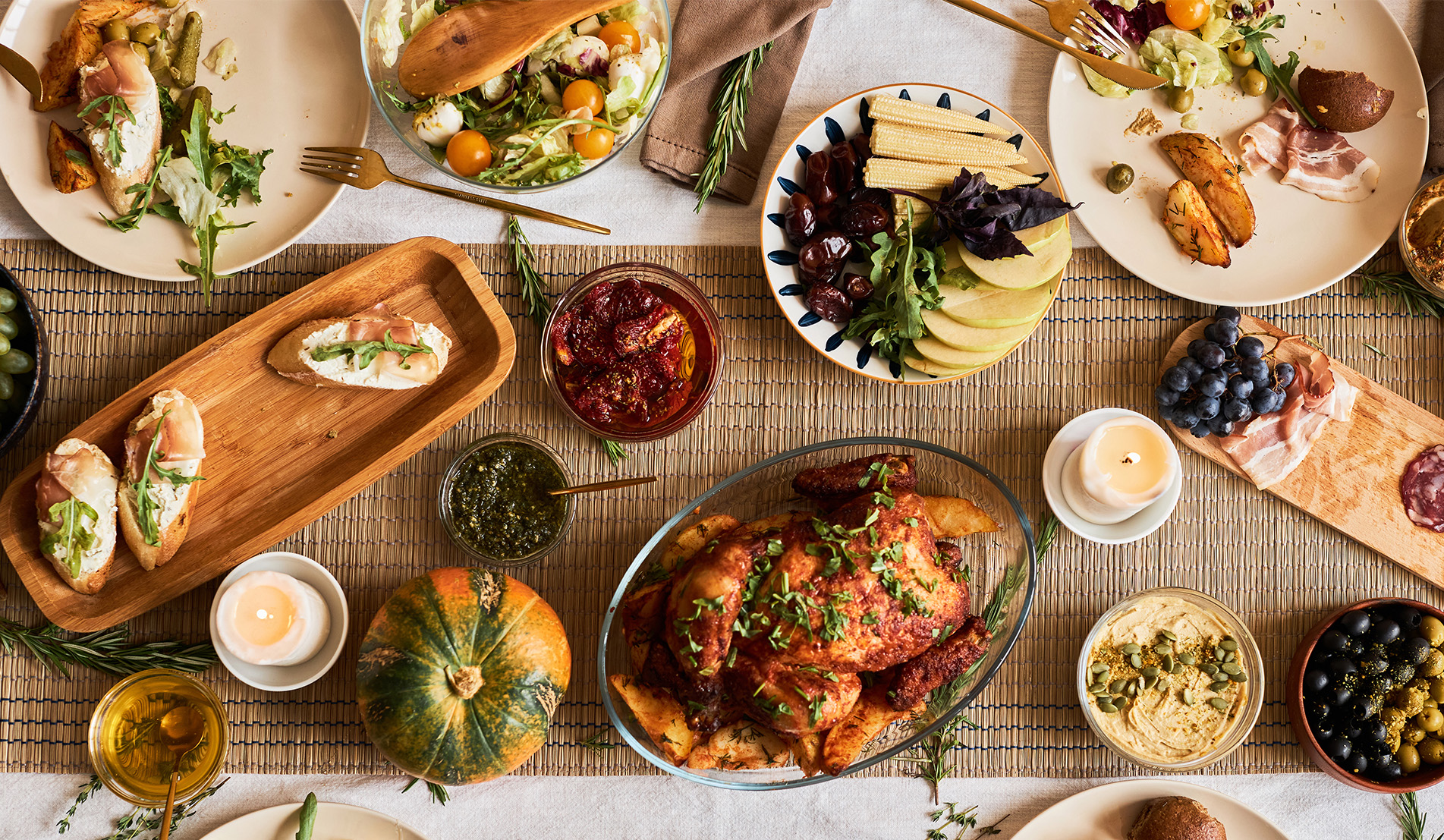

In Napa Valley, many of life’s most treasured moments happen around a table. From wedding receptions and birthday dinners to weeknight get-togethers with friends, meals are where we slow down, enjoy good company, and make lasting memories. The right food and wine pairings can make these experiences even more special by bringing out the best flavors in both.
In this guide, we share beginner-friendly food and wine pairing tips and recommendations with insight from our very own Head Chef, Jésus Méndez.

Chef Méndez previously led the culinary team at Robert Sinskey Winery. There, he learned about food and wine pairings with culinary director Maria Helm Sinskey.
Read on to learn about the basics of food and wine pairings, including simple principles to keep in mind and common pairings styles to try.
The Basics of Food and Wine Pairing Characteristics

Pairing food and wine can seem intimidating, especially if you’re new to wine or feel like you need to know a long list of rules to get it right. But the truth is, creating a delicious pairing doesn’t have to be complicated.
Great food and wine pairings are all about matching or contrasting the core characteristics of each item. Once you understand what these defining traits are, it’s much easier to pair them intuitively.
As Chef Méndez puts it:
“When deciding what wine to pair with a dish, consider the components that you will use and how they will stand out. For instance, if you’re having chicken with a bechamel sauce, you might want to try pairing it with an acidic white wine like a French or Oregon Chardonnay. For grilled chicken with earthier ingredients like mushrooms, you might want to try a medium-bodied red wine like Pinot Noir.”
Let’s go over what these components are and why they matter:
Wine Pairing Characteristics
Every wine has 5 core characteristics that shape how it tastes and interacts with the food on your palate:
Once you can identify these traits, you can determine how compatible a wine will be alongside your meal.
Food Pairing Characteristics
Food also has defining traits that determine which wine to pair with:
Once you’ve determined these traits, you can start thinking about which wine pairing styles you want to try.
The Basics of Wine Pairing Styles

There are many different wine pairing styles to choose from, depending on which elements of the wine or food you would like to highlight.
Below is an overview of different wine pairing styles and how to choose:
Congruent Pairings
A congruent pairing is all about reinforcing shared traits between the food and wine. Instead of balancing opposites, you match similar taste components and aromas together so the flavors mirror one another. The idea can be boiled down to “like goes with like.”
Examples of congruent food and wine pairing:
When choosing a congruent pairing, Chef Méndez advises starting with the dish and matching the wine to its characteristics. For example:
“If you choose a salad that is acidic, you want to stay with an acidic wine to reinforce the same components in your dish.”
If you’re just starting out, pairing similar flavors is a low-risk way to start experimenting with food and wine pairings.
Complementary Pairings
A complementary pairing means you pair wine and food with opposite or contrasting flavors. When done well, opposing flavors highlight each other’s unique qualities.
Examples of complementary wine and food pairings:
Avoid pairing delicate foods like fish or tofu with bold wines, since the food can be easily overpowered. Likewise, also avoid pairing intensely sweet foods with dry wines, which can make the wine taste harsh or bitter by comparison.
For complementary pairings, Chef Méndez says:
“The idea is to bring out the best qualities of the food and wine. When having a steak with bordelaise sauce, for instance, you will need a tannic Cabernet Sauvignon to help cut the richness of the steak.”
The key to successful complementary pairing is choosing just one trait as the “opposite”. This avoids too many conflicting flavors and keeps the pairing balanced.
Balancing the Weight and Intensity (The Golden Rule of Wine Pairings)
Often called the Golden Rule of wine pairing, you can hardly go wrong with matching the weight and intensity of the wine with the richness of the food. Heavy food can crush the flavor of a light wine, while a strong wine can overpower light food.
Examples of weight-to-weight food and wine pairing:
But how do you know when a wine is too light or too heavy for a particular dish? Chef Méndez explains:
“When the food overwhelms the flavors of the wine and does not match the components of the dish, your wine is probably too light,” answers Chef Méndez. “But if your wine overpowers your food, then your wine is too heavy for your dish. You want to focus on having light dishes with light wines, and heavier full-bodied wines with well-seasoned or bold flavors in your dish.”
This balance is what keeps both flavors prominent and enjoyable.
Regional Pairings
Regional pairing is based on the idea that “what grows together, goes together.” Over centuries, local food and wine grapes share the same climate, soil conditions, and traditions of a location. This side-by-side development means many regional foods and wines have matching flavor traits.
Examples of regional Napa Valley food and wine pairings include:
With regional pairings, you can showcase how different foods and wines in the area complement each other, reflecting Napa Valley’s unique climate, landscape, and culinary traditions.
One of Chef Méndez’s favorite Napa food and wine pairings at the moment is cheese pizza topped with arugula and prosciutto, salad with a light citrus vinaigrette, and Robert Sinskey Vin Gris wine:
“I love how the citrusy-salty components of the pizza come together with the acidic and fruity characteristics of the Vin Gris.”
This is a classic example of a regional food and wine pairing with complementary flavors.
Shop Food and Wine at Browns Valley Market in Napa
Whether you’re hosting a get-together with friends or planning a special occasion, the right food and wine pairings can make any event feel special. At Browns Valley Market, you can stock up on everything you need to get started, from local Napa Valley cheeses, treats, and wines to unique picks from around the globe.
Ready to browse our shelves in person? Stop by our Napa Valley market today!